Rewiring and Upgrades Toronto
Choose a licensed Toronto electrician who pulls ESA permits, adheres to the Ontario Electrical Safety Code, and maintains load calculations, labeling, and test results. You can expect safe panel upgrades, EV charger setups, smart home integration, and efficient lighting with verified grounding, GFCI/AFCI protection, and thermal imaging. Look for transparent pricing, written scopes, inspections coordinated, and warranties that transfer with maintenance records. We prioritize downtime reduction, surge protection, and scheduled maintenance to maintain systems consistently operational. Read on for specifics on services, compliance, and warranty coverage.
Core Highlights
- Certified Toronto electricians handling ESA permits, inspections, and Ontario Electrical Safety Code compliance with clear documentation and labeling.
- Transparent, detailed pricing and written cost estimates; no work begins without your approval.
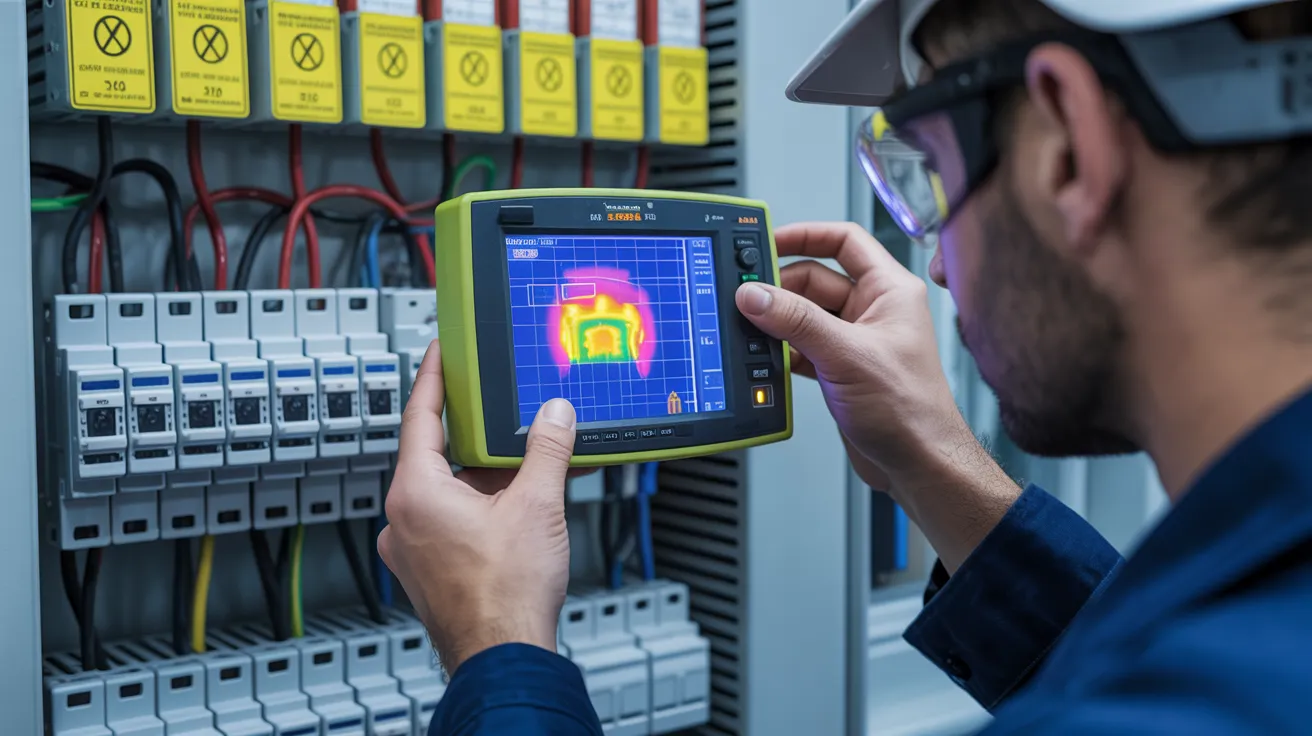
- Safety-prioritized maintenance: thermal imaging, GFCI/AFCI testing, torque-verified terminations, and organized corrections to minimize downtime.
- Home improvement and retrofit services: service panel upgrades, safe aluminum conductor connections, electric vehicle and heat pump preparation, and energy-efficient, stable lighting.
- Documented warranties on parts/workmanship, transferable with maintained maintenance records, plus comprehensive post-service reports for both insurance and resale purposes.
Why Selecting a Licensed Toronto Electrician Is Important
Though DIY fixes are often tempting, choosing a licensed Toronto electrician safeguards your home, meets Ontario Electrical Code, and safeguards your warranty coverage and insurance. You obtain work executed to code, permits processed correctly, and documented outcomes that pass inspections. A licensed pro demonstrates competency through credentials verification, continuous training, and conformity to safety standards that decrease electrical shock, arc, and fire risks.
You additionally receive liability protection. If something goes wrong, appropriate licensing and insurance shift financial exposure away from you. Reputable electricians deliver written estimates, scope clarity, and load calculations, so circuits aren't overloaded and devices are appropriately grounded and GFCI/AFCI protected. They examine, label, and document every change, maintaining resale value and coverage. Select proven qualifications, not shortcuts; your safety relies on it.
All-Inclusive Domestic Electrical Services
Fuel your home with a full-spectrum electrical solution that's safe, code-compliant, and engineered to last. You get tailored design, clean installations, and comprehensive testing for every circuit, device, and connection. We analyze load needs, modernize panels, and install GFCI/AFCI protection where code requires. Proper outlet placement reduces extension-cord hazards and supports everyday use, from kitchens to home offices.
We enhance lighting with efficient, dimmable, flicker-free solutions and validate grounding and bonding for surge protection. Accurate breaker labeling speeds shutdowns and improves emergency response. If renovations are planned, we chart circuits to future-proof for EV charging stations, heat pumps, and intelligent controls. We also correct legacy hazards: aluminum terminations, overloaded circuits, and deteriorated wiring. You'll receive documentation, permits, and inspections to validate compliance and long-term safety.
Commercial & Industrial Electrical Power Services
Ensure your facility functioning safely and without interruption with engineered commercial and industrial power services. You get code-compliant installations, thorough testing, and recorded maintenance designed for heavy-duty environments. We assess your process loads, critical circuits, and redundancy needs to establish reliable power distribution that powers production, data, and life-safety systems.
Our specialists service and install switchgear, transformers, feeders, and raceways with accurate torqueing, labeling, and verification. We give priority to equipment grounding to regulate fault currents, reduce touch voltage, and secure sensitive electronics. We organize protective devices to rapidly isolate faults and ensure uptime.
Your facility benefits from thermal imaging, insulation resistance testing, and breaker exercising that reveal issues prior to causing outages. We also install emergency power interfaces and conduct shutdown planning that limits operational disruption and deliver a safe, compliant restart.
Panel Upgrade Services and Load Calculations
When your electrical demands outgrow an aging panel, a well-designed upgrade combined with precise load calculations avoids nuisance tripping, overheating, and code violations. You need a licensed electrician to examine service capacity, connected loads, and future expansion. We calculate demand factors, verify feeder ratings, and size a new main panel that meets Ontario Electrical Code requirements. Accurate breaker balancing across phases minimizes neutral loading and voltage drop, enhancing stability under peak conditions.
We also analyze short-circuit currents, fault ratings, and selective coordination to verify protective devices clear faults safely. Appropriate cable sizing considers conductor material, ambient temperature, insulation type, and derating in conduit arrangements or bundled configurations. We label circuits, tighten terminations to torque specifications, and test grounding and bonding, producing a safe, compliant upgrade.
EV Charger Installation and Circuit Planning
You start by confirming your EV charger's load requirements and how they influence your home's demand profile. After that, you assess panel capacity and breaker space to ensure a dedicated circuit meets Code without overloading the system. In the final step, you secure required permits and verify available Toronto and Ontario rebates before installation to ensure compliance and minimize expenses.
Load Evaluation Basics
Why initiate an EV charger project without first establishing if your service can handle it? Begin with a clear load assessment. Document all major appliances, HVAC, water heating, lighting, and typical plug loads. Record nameplate ratings, breaker sizes, and expected run times. Employ demand diversity to reflect realistic, non-simultaneous usage, then calculate peak and typical loads in amps at 240V and 120V. Analyze circuit balancing across phases to preserve currents even, reduce neutral stress, and minimize voltage drop.
Determine the EV charger's continuous load at 125% of its rating per code. Identify when charging will happen and how it overlaps with heating, cooking, and laundry. Plan for future additions. Document findings, assumptions, and safety margins. If your results approach limits, modify schedules or reduce charger capacity before moving forward.
Electrical Panel Load Checks
While your load assessment determines demand, confirm the panel can safely deliver it. First confirm the main breaker rating and the panel's busbar ampacity; your EV circuit must not surpass these limits. Inspect available breaker spaces and proper breaker spacing to prevent overheating and nuisance trips. Record actual load with a clamp meter under typical household conditions, then compare to calculated demand to validate headroom.
Check conductor dimensions, terminations, and torque values. Search for heat discoloration, corrosion, or brittle insulation-signs the panel's service life is near completion. Ensure grounding and bonding integrity, and that AFCI/GFCI requirements don't exceed capacity. If capacity or space is limited, consider a subpanel or a service upgrade. Record observations before deciding on an EV charger circuit size and placement.
Permits and Rebate Programs
Before buying an EV charger or running wire, confirm local permitting requirements and rebate eligibility to prevent rework and delays. Toronto and most GTA municipalities need an electrical permit for new circuits, load management devices, and service upgrades. Request your electrician to submit drawings, specify breaker size, wire gauge, GFCI specifications, and mounting location to streamline approval.
Review permit timelines in advance; some jurisdictions handle simple residential EV circuits in several days, while service upgrades can take weeks. Schedule inspections ahead of closing walls or pouring concrete. Keep receipts, model numbers, photos, and inspection reports to confirm rebate eligibility.
Review provincial, federal, municipal, and utility incentives. Most programs demand licensed installation, ESA inspection, and approved equipment lists. Schedule your purchase to coincide with funding windows and priority-based programs.
Smart Home Electrical Wiring and Automation
You'll need smart home wiring that guarantees seamless device integration across platforms without risking faults in your network or electrical system. We set up energy‑efficient lighting controls with compliant electrical circuits, protected loads, and fail‑safe performance. You also get protected remote monitoring with encrypted access, security-hardened devices, and properly isolated low‑voltage cabling.
Flawless Device Integration
When smart devices function in concert, your home becomes better protected, more streamlined, and more convenient to control. You must have a secure, unified backbone that connects smart locks, sensors, cameras, thermostats, and hubs without issues or signal loss. We design networks that emphasize protocol interoperability, ensuring Zigbee, Z-Wave, Thread, Wi‑Fi, and Bluetooth devices communicate reliably. We harden routers, segment networks, and establish strong authentication to safeguard data and prevent unauthorized access.
We process wireless device pairing through documented procedures that prevent cross‑talk, duplicate nodes, and range gaps. We verify firmware, assign static roles, and configure scenes and automations that fail safe during outages. We also adjust channel plans and mesh strength to reduce interference. After commissioning, we test redundancy, confirm alerts, and train you to process updates with confidence.
Energy-Saving Illumination Management Systems
Typically the most rapid savings come from smart lighting done right. You reduce load, extend lamp life, and slash bills by matching light to actual need. We design circuits, select dimmers and drivers, and program scenes that satisfy code and protect fixtures from premature failure.
Initiate your setup using occupancy sensors to shut lights off when rooms remain empty. Configure time delays and sensitivity to prevent false triggers and wasted energy. Incorporate daylight harvesting: photosensors regulate output depending on available sunlight, maintaining illuminance consistent while cutting watts. We specify compatible LED luminaires, low-voltage controls, and safe wiring topologies that will not create flicker or overloads.
We commission all zones, confirm neutral availability, label panels, and configure safeguards. You'll get consistent performance, verifiable savings, and enhanced installation safety.
Protected Distant Oversight
Even as your home becomes more intelligent, security and reliability remain top priorities. You require remote monitoring that secures data, blocks tampering, and ensures uptime. We design smart panels, subcircuits, and device hubs that authenticate each session, segment networks, and log events for traceability. We enable encrypted telemetry end‑to‑end, harden Wi‑Fi and wired backbones, and apply least‑privilege access so only approved apps and users can control loads.
We employ remote diagnostics to identify faults without subjecting your system to unnecessary risk. You'll get alerts for irregular current draw, tripped AFCI/GFCI events, or voltage sag, facilitating fast, informed action. We record firmware baselines, schedule secure updates, and test failovers. With professional installation and commissioning, you'll monitor safely, respond quickly, and keep critical circuits online.
Emergency Electrical Services and Safety Assessments
Even though electrical issues can worsen quickly, you can contain danger by contacting a licensed Toronto electrician for emergency repairs and immediate safety evaluations. When breakers trigger repeatedly, outlets get hot, or you sense burning, stop using affected circuits and call at once. A certified expert identifies the problem, measures fault current, and prevents escalation to fire or equipment damage.
During the service call, the electrician verifies bonding and grounding, evaluates panels for heat, corrosion, and loose terminations, and tests GFCI/AFCI protection. They secure connections to manufacturer torque, replace compromised breakers, and correct code violations. If surges pose risks to sensitive electronics, they'll implement surge suppression at the service and branch levels. You'll receive a comprehensive report, prioritized corrections, and guidance on safe restoration, ensuring your system operates within safe limits.
Lighting Design and Energy-Efficient Retrofits
You enhance visibility and safety with strategic lighting layouts that eliminate glare and comply with code. We create LED retrofits that cut load, enhance lifespan, and ensure proper color rendering without taxing existing circuits. You integrate energy‑saving controls-occupancy sensors, timers, and dimmers-to reduce consumption while maintaining dependable, code-compliant performance.
Intelligent Lighting Arrangements
Although aesthetics are significant, intelligent lighting is built on a compliant and safe layout that supplies the right light where it's needed and minimizes energy waste. You'll obtain reliable results when controls, loads, and circuits are accurately dimensioned, secured by AFCI/GFCI as mandated, and tagged for upkeep. Commence with ambient zoning to differentiate general, task, and accent illumination, then designate dedicated control layers for safe and clear functionality.
Position switches and dimmers at appropriate heights, eliminate overloaded boxes, and ensure neutral availability for smart controls. Use motion click here sensors to automate vacancy and daylight response, but calibrate timeouts and sensitivity to prevent nuisance trips. Organize fixtures by function, not just room, to limit overlighting. Catalog wiring paths, panel schedules, and control scenes so later service remains safe and straightforward.
LED Retrofit Design
Before swapping lamps, identify the retrofit's goals: lower energy, increase light quality, decrease maintenance, and meet code. Begin with a site audit: document fixture types, voltage, wiring condition, and ceiling heights. Check fixture compatibility for each space, including thermal limits, socket type, ballast or driver requirements, and emergency egress needs. Complete lumen budgeting by area: calculate target illuminance, account for room reflectance, spacing, and uniformity, then select LED packages that address demands without glare.
Verify color quality and consistency: choose appropriate CCT per area and specify CRI/R9 where color is important. Confirm electrical loading, inrush current, and circuit capacity. Organize safe installation sequencing, lockout/tagout, and waste handling for legacy lamps. Create photometric layouts and cut-sheets. Document warranties and maintenance intervals to protect long-term performance.
Energy-Efficient Control Systems
Though high-efficiency LEDs reduce load, controls offer the bigger savings by guaranteeing light is on only when and where it's needed. You'll reduce kWh and increase lamp life by pairing fixtures with smart scheduling, occupancy sensors, and daylight harvesting that dims or shuts off lights near windows. We analyze space usage, codes, and wiring to specify the right control zones and fail-safe settings.
We set up timeclocks for off-hours security and integrate manual overrides where needed. For safety, we confirm sensor placement to prevent dark spots, test emergency egress levels, and commission settings to stop nuisance shutoffs. Networked controls provide trend data and alerts, enabling you to fine-tune sequences and confirm savings. Our licensed Toronto electricians install, tag, and service systems that stay code-compliant and reliable.
Clear Pricing, Permits and Licensing, and Quality Inspections
Since electrical work impacts your safety and budget, you should expect upfront pricing, proper permits, and thorough inspections on every job. You'll obtain transparent estimates that itemize labor, materials, and contingencies, so you can approve work scope before work begins. We confirm permit requirements with the Electrical Safety Authority (ESA), file applications without delay, and coordinate inspections to keep projects compliant and on schedule.
You’ll know inspection timelines in advance, including rough-in and final checks, so you can plan access and minimize downtime. We document code compliance, panel labeling, and load calculations, then address any deficiency notices immediately. You won’t face surprise add-ons; change orders require your approval. Clear communication, verified permits, and measured inspections protect your property, reduce risk, and secure the installation performs as designed.
Safety Guidelines, Warranties, and Continual Upkeep
Even under tight timelines, we never compromise on safety standards, and you shouldn't compromise either. We adhere to the Ontario Electrical Safety Code, require fire rated materials, and check grounding, bonding, and GFCI/AFCI protection. You get clearly labeled panels, torque-verified terminations, and comprehensive load calculations to stop overheating and nuisance trips.
Our parts and workmanship include written warranties that have defined response times. Should you sell your home, we support warranty transfers, provided maintenance records are current. You'll know what's covered, what's excluded, and how to submit a claim.
Continuous maintenance keeps systems protected and effective. We arrange thermal imaging, test breakers, inspect junctions, and update surge protection. You'll receive clear reports, prioritized corrections, and reminders aligned with equipment lifecycles, guaranteeing dependability, regulatory compliance, and decreased downtime.
Frequently Asked Questions
Do You Offer Bilingual Electricians for Non-English Speakers?
Indeed, we provide this option. You can schedule bilingual electricians, including Spanish speaking technicians, for effective communication and safety. We verify language requirements during booking, match you with qualified, licensed professionals, and document all instructions in writing. Our teams participate in Cultural sensitivity training to respect your preferences and prevent misunderstandings on-site. You'll get safety briefings, labeled panels, and walkthroughs in your selected language. Request availability and we'll book you immediately to accommodate your timeline.
Can You Coordinate With Interior Designers or Architects?
Absolutely, we work closely with interior designers and architects. You receive seamless design collaboration from concept through final inspection. We analyze plans, present secure, code-adherent layouts, and incorporate lighting controls, power distribution, and fixture specifications. We take care of permit coordination, engineer-stamped drawings when required, and schedule site meetings to eliminate clashes. We provide you with clear timelines, documented change orders, and rigorous safety checks. We additionally handle mockups, load calculations, and commissioning to secure flawless results.
What Are the Boundaries of Your Service Area Within the GTA?
Imagine a sundial map: you're covered across the Greater Toronto core and major suburbs. You get coverage in the suburbs from Etobicoke, North York, and Scarborough through Mississauga, Brampton, Vaughan, Markham, Pickering, and Oshawa. We establish clear boundaries for response times and safety compliance. Special boundary provisions apply for significant projects or urgent hazards. Outlying areas beyond Durham, Peel, and York are examined case‑by‑case, with travel-related charges and strict pre‑job safety checks.
Are After-Hours Appointment Windows Available Evening and Weekend Appointment Slots, Outside of Emergency Situations?
Yes. You can book after hours scheduling for non-emergency work. We deliver flexible availability with set evening and weekend appointment windows, so you don't have to wait until business hours. We establish scope in advance, arrive prepared, and follow CSA and ESA safety standards each visit. You'll receive clear pricing, licensed electricians, and documented findings. If site conditions shift, we'll advise safe next steps and reschedule promptly to reduce disruption while maintaining compliance.
How Do You Approach Work in Heritage or Landmark Buildings?
With care, conscientiousness, and code compliance, you undertake heritage work by commencing with a complete assessment of historic wiring and the building's structural integrity. You work alongside heritage authorities, comply with preservation standards, and document every decision. You hide upgrades, preserve fabric, and specify period compatible fixtures that meet modern safety requirements. You use non-invasive methods, reversible pathways, and selective arc-fault and GFCI protection. You provide clear permits, protection plans, and occupant safety protocols.
To Conclude
Choose a licensed Toronto electrician and you'll get accurate work, safe installations, and code-compliant results-each time. From panel upgrades and EV chargers to lighting retrofits and emergency repairs, you'll get a pro who calculates load, secures permits, and passes inspections without drama. We back it with clear pricing, warranties, and maintenance that keeps your system rock-solid. Don't take chances with electricity-it is more dangerous than you think. Reach out now, stay safe, and power your space with confidence.